
Romans 3:22 - …the righteousness of God through faith in Jesus Christ for all who believe. For there is no distinction:
Our last post ended with a profound, well documented statement from Paul: God had now revealed a way for mankind to be righteous in his sight! This righteousness, which was woven into the fabric of the Old Testament, was completely separate from the law. 
Let’s take a closer look at the righteousness which gives all of us reason to rejoice!
GENERAL SUMMARY: Paul stated that purpose of the gospel was to reveal God’s plan of justification. Although this plan seemed new, it had been designed before the foundation of the world. It was just now being revealed to mankind.
Paul then goes on to show that those who seek justification by faith will be rewarded with salvation regardless of their race, nationality, sex, age, social position, individual history, former sins or any other distinctive factor.
DIGGING DEEPER: The righteousness of God: This refers to what we commonly call the plan of salvation; it is God’s way of making mankind righteous in his sight through their faith in Jesus Christ.
It is called the righteousness of God because the plan has its source in God alone. It is declared to be by grace which means it is the result of divine favor, free and undeserved by anyone. This distinguishes it from justification by works which is of human origin (and an utter failure).
Through faith in Jesus Christ: God’s plan for salvation is by faith in Christ. Faith is the means by which we can receive God’s pardon and salvation.
Think of it this way: Paul has proved that we cannot be righteous by our works. We need the help of God himself. By contrast, Christ lived a perfect, sinless life. He was righteous in the sight of God. According to God’s merciful plan, when we put our faith in Christ, his perfect righteousness is transferred to us, making us righteous in God’s sight too.
Scholars often phrase it this way: The effectual cause of salvation (the power to make it happen) is the mercy of God, the foundational cause (the basis for it) is the righteousness of Christ, and the instrumental cause (the tool by which we grasp it) is our faith in him.
But wait… there’s more! Once we have received salvation, we are entitled to claim the limitless number of promises contained in the bible. However, many of these promises are conditional – we are required to meet some standard in order to receive them.
That sounds straight forward enough, but the truth is that while we are saved, we are still far from perfect. Our service to God is often flawed, inadequate or even defective.
However, the imperfections of our efforts are covered by the blood of Christ, just as we ourselves are. In other words, God rewards our works as being perfect, because their defects are covered by our free pardon. This means that the promises of God (which are conditional) can still be ours even despite our flaws/failures. It also means that despite our inadequacies, God will bless our works and cause them to bear fruit in his kingdom. Hallelujah!
For all who believe, for there is no distinction: Paul tells us that the plan of salvation is for ALL:
- The plan of salvation is sufficient for all.
- The plan of salvation is equally necessary for all.
- The plan of salvation is offered to all.
Nevertheless, there will be individuals who are not saved. They will spend eternity in the lake of fire with their father the devil:
Matthew 25:41 – Then he [Jesus] will say to those on his left, ‘Depart from me, you cursed, into the eternal fire prepared for the devil and his angels.’
How can this be, if salvation is for all?
A careful reading of the text shows that salvation is for all WHO BELIEVE. So, we find that in order to receive the promise, it must be accepted or embraced by each individual. Sadly, there will be some who refuse to do so. Thus, we find that even though salvation is open to all, not all will be saved/justified in God’s sight.
The King James version translates this verse a bit more clearly. It says that the righteousness of God by faith in Christ is ‘unto all and upon all them that believe’. The phrase ‘unto all’ indicates that salvation is available to anyone. The phrase ‘upon all them that believe’ clearly indicates that each person must make a clear choice to both believe and trust in the blood of Christ for the remission of their sins.
Belief - In order to receive the righteousness of Christ, you must have a belief in the scriptural testimony concerning Jesus - that he is the Son of God and the long-awaited Messiah, the one appointed to be the Savior of mankind.
Trust – There must also be a trust or confidence in Christ as our personal Savior. This is not merely an intellectual assent; it is a trust that springs from the heart. It signifies a personal relationship between Christ and the sinner.
Romans 3:23 - …for all have sinned and fall short of the glory of God,
All have sinned: All humans have been born with the guilt of Adam upon us; that sin is inherent to our nature and we cannot escape it. From that fallen nature spring sins of all kinds and degrees.
All …fall short: Though people differ greatly in the nature and extent of their sins, there is no difference between the best and the worst in the sight of God, because even the smallest infraction of the law places a person under the wrath and judgment of God.
Of the glory of God: Although there are differences of opinion on what Paul means when he says, ‘the glory of God’, he is most likely referring to praise that can be conferred/obtained in this life, as opposed to a benefit of eternity. That being the case, he means the praise or approval which comes from God:
John 12:42-43 – Nevertheless, many even of the authorities believed in him [Jesus], but for fear of the Pharisees they did not confess it, so that they would not be put out of the synagogue; for they loved the glory that comes from man more than the glory that comes from God.
No human being (except Jesus) is deserving of the praise of God, for none of us can meet his holy standards.
Romans 3:24 - …and are justified by his grace as a gift, through the redemption that is in Christ Jesus,
GENERAL SUMMARY: Paul has made it very clear in the first three chapters of Romans that everyone is guilty of breaking God’s laws. Because of our guilt, we are automatically separated from God and sentenced to eternal punishment/death. 
However, by virtue of the death and resurrection of Christ, mankind is eligible to receive an astonishing gift – justification by faith. In other words, when we trust in Christ we are judicially/legally acquitted of all charges and therefore discharged from the guilt and punishment that our sin required. Because of the sacrifice of Christ, we are declared to be righteous before God.
DIGGING DEEPER: Justified by his grace: Grace is the undeserved mercy or favor of God upon our lives. Although he has every right to punish us, God chooses to freely exercise love, kindness and pardon towards sinners who repent and trust in Christ. In other words, justification is a gift that is given by the mercy of God.
As a gift: What do we know about gifts? The most obvious thing is that they are free to the one who receives them. It is the giver who incurs the cost associated with the gift.
So it is with the gift of justification. It costs us nothing, but it certainly wasn’t free. Jesus purchased that gift with his own blood.
Hebrews 9:12 – He [Jesus] entered once for all into the holy places, not be means of the blood of goats and calves but by means of his own blood, thus securing an eternal redemption.
Through the redemption that is in Christ Jesus: In the Greek language, the root word translated ‘redemption’ denotes the price paid for a prisoner of war – a ransom. The idea is that the prisoner is held in bondage or captivity until the ransom price is paid. Once the payment is received, the prisoner is set free.
Mark 10:45 – For even the Son of Man came not to be served but to serve, and to give his life as a ransom for many.
The metaphor couldn’t be any clearer – mankind is a prisoner of sin, and we need someone to redeem us by paying the price for our spiritual freedom. That price was paid by Christ Jesus:
John 3:16 - For God so loved the world, that he gave his only begotten Son, that whosoever believes in him should not perish, but have everlasting life.
The redemption or ransom that Christ paid is not weak or minimal. We don’t have to cross our fingers and hope it is enough to cover our debt. His blood has the power to liberate us from bondage, captivity or evil of any kind. His redemption pays the full price for all the evil consequences of our sin.
Ephesians 1:7-8 – In him [Jesus] we have redemption through his blood, the forgiveness of our trespasses, according to the riches of his grace which he lavished upon us…
Just to reiterate, the basis for our justification is the free goodness and grace of God. That justification is made available to every sinner through the death and resurrection of Christ. We can receive that gift by faith in Christ and his atoning work.
You may be tempted to think that certain individuals are beyond the grace and mercy of God, but that simply isn’t true. God can and will bestow the gift of justification on anyone who comes to him with a repentant heart.
The purpose of the gift of justification is to demonstrate the divine justice and goodness of God, as described in the next verse.
Romans 3:25 - …whom God put forward as a propitiation by his blood, to be received by faith. This was to show God’s righteousness, because in his divine forbearance he had passed over former sins.
GENERAL SUMMARY: The free gift of justification by faith highlights the mercy of God.
DIGGING DEEPER: Whom God put forward: To ‘put forward’ is to publicly exhibit. This phrase refers back to the death of Christ mentioned in verse 24. 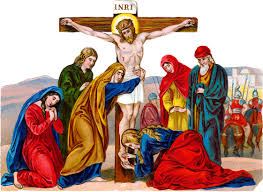
The crucifixion was clearly a public event. Jesus was crucified outside the city of Jerusalem on Passover, when the city was overflowing with Jews from all over the known world. The witnesses of his crucifixion included his followers, the Jewish leaders, the Roman guards, other prisoners also being crucified, curious onlookers and even his own mother. Obviously, the ransom payment for our sin was not a private transaction - Jesus was made a public spectacle for the whole world to view.
As a propitiation by his blood: Propitiation is defined as the act of appeasing wrath and conciliating the favor of an offended person. In the case of mankind’s sin, God the Father is the offended party. Our sin separated us from him and his favor. It also brought us under his wrath.
But through the shedding of his blood, Jesus became the mediator between God and man:
I Timothy 2:5 – For there is one God, and there is one mediator between God and men, the man Christ Jesus.
His sacrifice appeased the wrath of God and opened the way for us to be reconciled to him. Once we were reconciled to God, the fountain of his favor and blessing once again flowed over us.
Let’s make sure that we clearly understand this concept. It would be a mistake to think that God loved us when we were created, but then hated us after Adam’s sin. Remember, God is immutable; he never changes (Hebrews 13:8). The truth is that he loved us in creation and he has continuously loved us ever since, even after we allowed sin into the world. His love for us does not wax and wane depending on our performance.
God never stopped loving us; we were just cut off from the flow of his favor and love. Now that Christ has removed the obstruction, the love of God can once again freely flow over mankind; neither the wrath of God nor its effects can fall upon anyone who trusts in Christ.
Now here is where things get really interesting. Propitiation is also defined as that which propitiates - an atonement or atoning sacrifice. The word translated as ‘propitiation’ is the same word translated ‘mercy seat’ in the Old Testament (Exodus 25:17).
The mercy seat, located between two cherubim, was the place where God’s presence dwelt among the people (Leviticus 16:2, Exodus 25:21-22). This is why God was said to ‘dwell between the cherubim’ (Psalms 80:1).
Once a year, on the Day of Atonement, the high priest would sprinkle blood upon the mercy seat as an atonement for the sins of Israel that year:
Leviticus 16:14 – And he [high priest] shall take some of the blood of the bull and sprinkle it with his finger on the front of the mercy seat on the east side, and in front of the mercy seat he shall sprinkle some of the blood with his finger seven times.
The Jews reading Paul’s letter would have fully understood the point he was making which was this: Jesus is the mercy seat of the New Covenant; he is the propitiation or atoning sacrifice for our sin. He is the Mediator who establishes a relationship between mankind and God the Father:
I John 2:1-2 - …if anyone does sin, we have an advocate with the Father, Jesus Christ the righteous. He is the propitiation for our sins, and not for ours only but also for the sins of the whole world.
Now, let’s be honest - the analogy of Paul seems a little odd, because it makes Jesus both the mercy seat where the blood of the sacrifice was sprinkled, as well as the blood of the sacrifice itself. But keep in mind that a similar double reference occurs in Hebrews 9:11-12. In that passage, Christ is identified as both the victim whose blood is shed for the remission of our sin as well as the high priest who sprinkles it upon the mercy seat.
The bottom line is this: Paul is conclusively proving to the Jews that Jesus is the Messiah, the fulfillment of the plan of God for the redemption of mankind that was foretold by the writings of the Old Testament.
It was important for the Jews to understand that the doctrine of justification through faith was not some new idea that Paul came up with; it was the plan of God from the foundation of the world.
To be received by faith: Again, the gift of justification made possible by the goodness of God, and the sacrifice of Christ is received by the sinner through faith.
This was to show God’s righteousness: God’s righteousness refers to his faithfulness in keeping his promise of a Messiah who would ransom us from the bondage of sin. This righteousness (the fulfillment of his promise) was on public display in the death of Christ. Jesus was put to open shame so that God’s righteousness would be made known to the inhabitants of all worlds (this one for sure and probably others we don’t know about).
Why was it so important for Jesus to become a public display? 
Think of it this way: Mankind’s natural reasoning says that if we were really under the wrath of God for sin, he would have punished us by now. Since that hasn’t happened, we are tempted to think that God isn’t really keeping track of our sin. Maybe it isn’t such a big deal after all.
Paul informs us that this is not the case. God is indeed keeping track of our sin. But in his great mercy, he chose to postpone judgment until Christ came and provided a way of escape, as explained below.
Because in his divine forbearance he had passed over former sins: There is no question that mankind sinned and incurred the wrath of God. But God, knowing that we could not save ourselves, withheld or deferred our punishment (the execution of his justice) until the time when Christ came and could make an atonement for our sin.
The idea is that for centuries God was righteous, compassionate, merciful, good and loving in deferring his justice, but he was never publicly acknowledged for doing so. However, the public display of Jesus’ death reveals just how merciful God really is – the judgment that was ours was delayed until it could be poured out upon Christ, allowing us to be spared.
Paul’s comments confirm that Jesus is the ultimate Passover sacrifice. His blood is the only effective agent for the forgiveness of sin whether past, present or future.
While this makes perfect sense to us and it fills us with joy, that was not necessarily the case for the Jews. Remember, from the time they were infants, they were taught to trust in the yearly atonement made by the high priest with the blood of bulls and lambs.
It was very difficult for them to change their thinking and make the transition to Jesus being their high priest and his blood being the permanent sacrifice for not only their sins, but the sins of the Gentiles as well.
Let me offer you some encouragement, relief and strength:
Can we just pause here for a moment?
Romans 3:21-25 is a profound and glorious portion of scripture! Stop and read it once again. What Christian reading these verses doesn’t weep for joy?
Let’s be honest - all of us were sinners headed for death. Just take a moment to reflect on the sins, addictions, bondages and other evils that held you prisoner until the blood of Christ came and set you free! That alone is enough to bring you encouragement, relief and strength for today.
But God’s goodness, love and righteousness don’t stop there. His atonement covers sins that are past, present and even future. Although we are committed to walking the paths of righteousness, we will continue to come short of his glory; we will continue to make mistakes.
When that happens, seek forgiveness through Christ. Remember, his love for you is not based on performance. He hates your sin and he will correct you if necessary, but he will always love you and his Holy Spirit will abide with you forever. One day soon, we will all see him face to face!